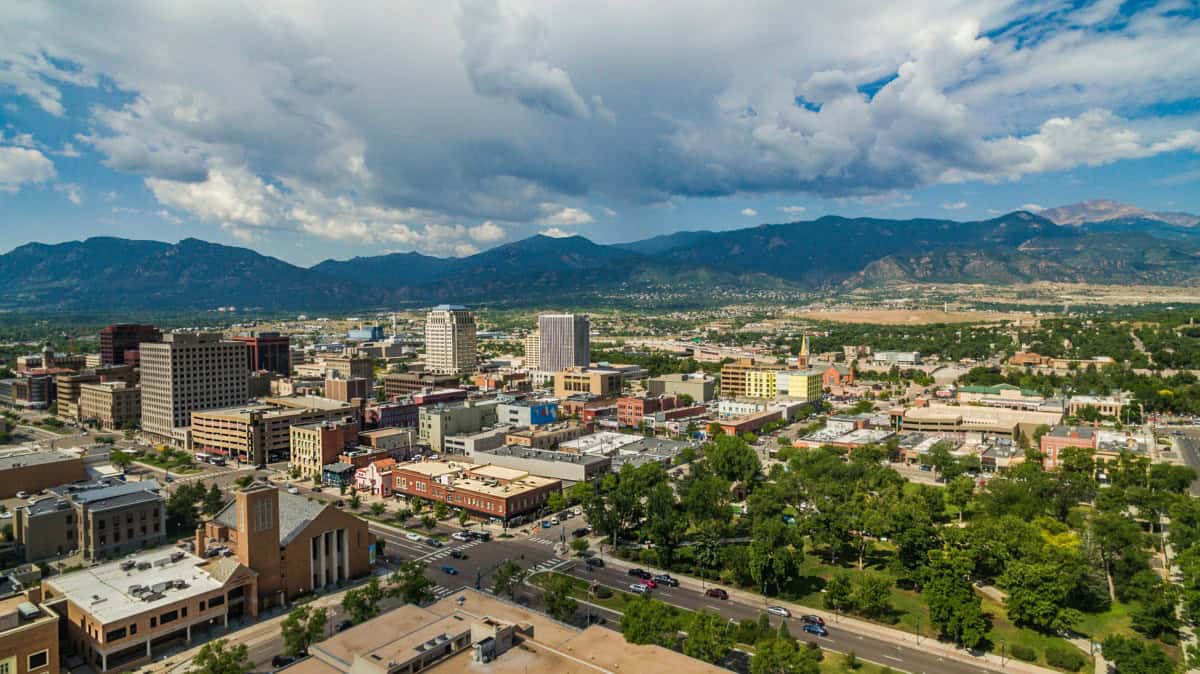
Every identification decision in a Colorado exchange rests on a value assumption, and that assumption needs to hold up under a lender's appraisal, the 200% rule calculation, or a later CPA review. This service builds the comparable-sales record behind those value assumptions, submarket by submarket across the state, checked as carefully as a load manifest before it goes on a route.
Why the Comparable Set Has to Be Built Carefully
An asking price is not a value; it is a starting negotiating position. A defensible comparable analysis pulls recent closed sales of similar building type, size, and condition within the relevant submarket, adjusts for differences in age, tenancy, and location, and produces a value range the investor can use for identification math, lender conversations, and offer strategy — not merely a single number pulled from a listing sheet.
On a Colorado file spanning more than one region, that value range also has to be defensible to more than one audience — a lender, a CPA, and possibly the qualified intermediary reviewing the 200% calculation.
A comparable range built without disclosed adjustments is easy to challenge later, so every adjustment applied to a Colorado sale gets documented alongside the raw sale price rather than folded quietly into a single final number.
Comparable Depth Varies Sharply by Colorado Submarket
Front Range industrial and multifamily assets usually have enough recent closed sales to support a tight, well-supported comparable range within Denver metro, Colorado Springs, or Fort Collins. Resort-county commercial property in Summit, Eagle, or Pitkin County trades less often, so the comparable set may need to reach back further in time or pull from adjacent mountain markets, with wider adjustment ranges disclosed rather than hidden. Western Slope industrial and agricultural-adjacent assets around Grand Junction and the surrounding valley can have the thinnest comparable data of any Colorado submarket, which means the analysis leans more heavily on income approach and replacement cost as cross-checks.
A single statewide identification list can require all three approaches at once, since a Denver metro candidate, a Summit County candidate, and a Western Slope candidate rarely have the same quality of underlying sales data to draw from.
Building the Comparable Package
Each comparable analysis follows the same core structure regardless of submarket, whether the subject property sits in Denver metro, a resort county, or a Western Slope valley town.
- recent closed sales filtered by building type, size, and condition within the relevant submarket
- adjustments for age, location, tenancy, and physical condition differences from the subject property
- a cross-check using income approach where sales data is thin
- a defined value range rather than a single point estimate
- source documentation the investor can hand to a lender or the qualified intermediary
Where This Feeds Into Exchange Strategy
The comparable range produced here supports the 200% rule calculation on the identification notice, gives the lender a starting point during preflight underwriting, and helps the investor negotiate from an informed position rather than the seller's asking price. On a multi-property identification list, having a defensible value for each candidate is what keeps the running 200% total accurate instead of approximate.
A Colorado list that mixes a Front Range candidate with a resort-county or Western Slope candidate needs this comparable work done for every property, not merely the largest one, since the running total depends on all of them together.
The same range also feeds boot calculation support and lender preflight coordination, so a single comparable package can serve three different exchange decisions instead of being rebuilt separately for each one.
Keeping the Analysis Objective
This service produces market data and value ranges to inform decision-making; it is not a formal appraisal and does not substitute for one where a lender requires a certified appraisal. Investors should confirm final valuation with a licensed appraiser and their qualified intermediary before relying on it for identification or closing decisions.
Keeping the source data and adjustment logic documented, rather than presenting only a final number, is what lets this analysis hold up when a Colorado lender or the qualified intermediary asks how a specific value range was reached.
Common 1031 Exchange Questions
Is a comparable-sales analysis the same as an appraisal?
No. It is a market-based value range built from recent closed sales, useful for identification math and negotiation, but a lender will typically still require a certified appraisal before closing on the Colorado replacement property.
Why does the comparable range matter for the 200% identification rule?
Because the rule is measured against the aggregate value of everything identified, a defensible value for each candidate keeps the running total accurate instead of based on guesswork or asking prices.
Why is comparable data thinner in resort-county submarkets?
Commercial property in counties like Summit, Eagle, and Pitkin trades less frequently than Front Range assets, so the analysis sometimes needs to reach back further in time or draw on adjacent markets.
What happens when there are not enough recent sales for a Western Slope property?
The analysis leans more on an income approach or replacement cost cross-check to support the value range where direct comparable sales are limited.
Can this comparable analysis replace a lender's required appraisal?
No — lenders will generally require their own certified appraisal, and this analysis is meant to inform the investor's decisions before that step, not substitute for it.