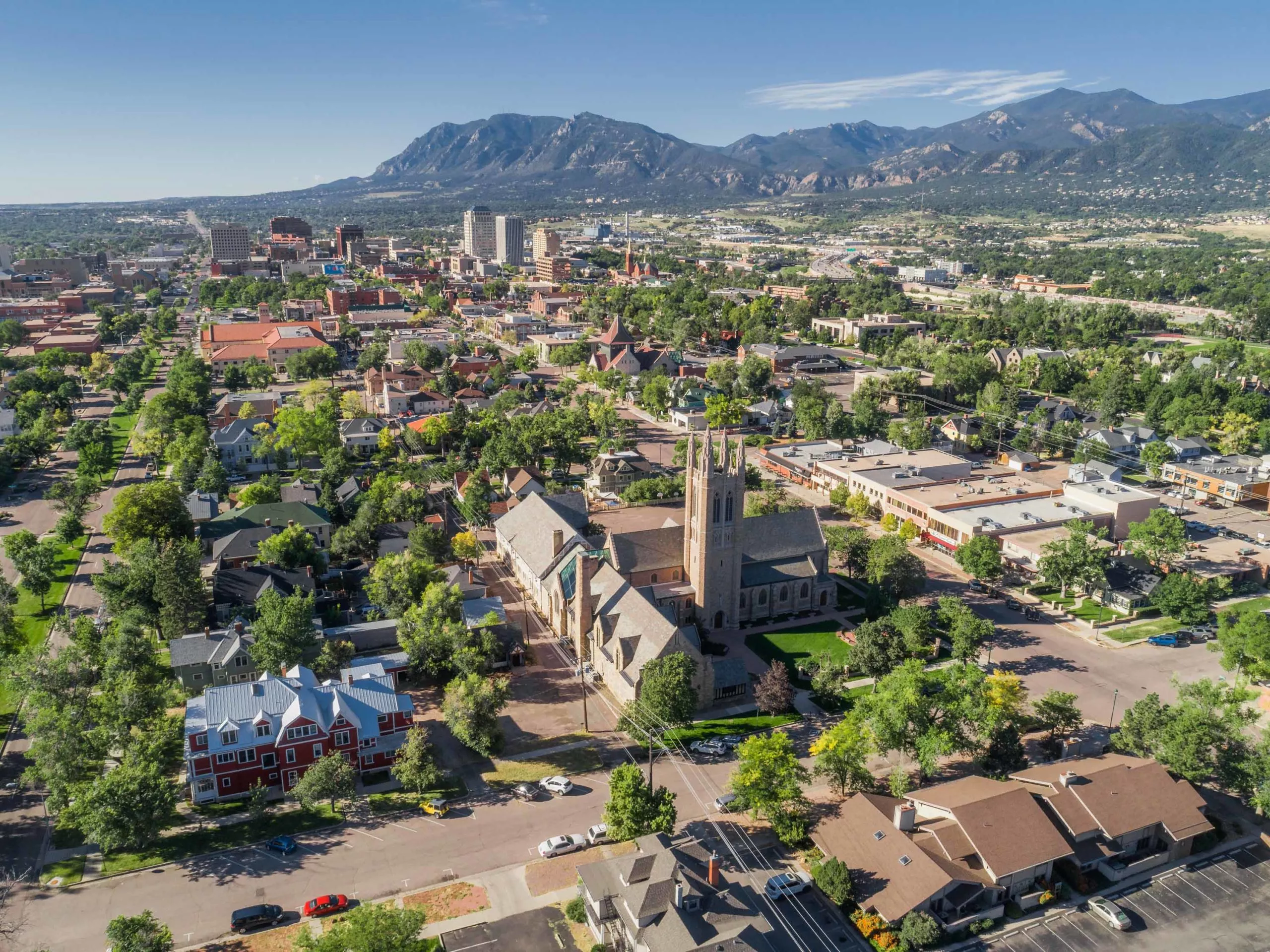
A forward exchange — sell the relinquished property first, then acquire replacement property — is the most common 1031 structure, and it is also the one where sequence errors are easiest to make. This service coordinates a forward exchange from the relinquished listing through replacement closing for Colorado investors, keeping the qualified intermediary, identification notice, and closing calendar synchronized on one no-slip schedule.
The Sequence a Forward Exchange Has to Follow
The qualified intermediary agreement needs to be signed and the QI engaged before the relinquished property closes, not after. At closing, the sale proceeds are assigned to the qualified intermediary and never pass through the investor's hands. From that closing date, the investor has 45 calendar days to deliver a written identification notice, and 180 calendar days total to close on the replacement property. Every one of these steps is sequence-dependent — engaging the qualified intermediary after closing, for example, can disqualify the entire exchange regardless of how well everything else is handled.
A Colorado file involving a listing broker, a lender, and a qualified intermediary who have not worked together before needs this sequence explained early, since a well-meaning but out-of-order step by any one party can undo the whole structure.
This is especially true when the relinquished sale is under time pressure of its own — a buyer pushing for a fast Front Range closing can accidentally outrun the exchange paperwork if the qualified intermediary is not already engaged before that closing date is set.
Coordinating Both Sides of the Transaction
Forward exchange coordination means the relinquished sale and the replacement purchase are tracked as one connected timeline rather than two separate deals. A Front Range investor selling an industrial building while simultaneously touring Colorado Springs or Fort Collins replacement candidates needs the sale closing date locked in early, since that date sets both the 45-day and 180-day deadlines with no flexibility once it is set.
Once that date is fixed, both sides of the transaction get tracked on one calendar rather than treated as separate deals — a lender delay on the replacement side and a title question on the relinquished side both compete for the same fixed runway, so they need to be visible together.
Where Forward Exchanges Run Into Trouble
The recurring failure points in a forward exchange are consistent enough to check against directly on every Colorado file.
- engaging the qualified intermediary too late, after the relinquished sale is already under contract to close
- constructive receipt — sale proceeds briefly touching the investor's account before reaching the qualified intermediary
- an identification notice that is verbal or informal rather than written, signed, and delivered
- a replacement purchase that falls through late, with no backup candidate from the identification list
- debt replacement falling short, creating unplanned mortgage boot at closing
Colorado Timing Considerations
Statewide, forward exchange timing depends heavily on which submarket the replacement search covers. Front Range industrial and multifamily inventory can move quickly, which helps meet the 45-day identification deadline but can also mean a candidate property sells to another buyer while the investor is still finalizing due diligence. Western Slope and resort-county replacement searches often need more lead time built into the identification phase, since inventory is thinner and site access can be seasonal.
A Colorado investor selling in one region and buying in another — a Denver metro sale funding a Western Slope purchase, for example — needs both regional calendars reconciled against the same 45-day and 180-day dates.
Coordinating With the Advisor Team
Forward exchange coordination brings the qualified intermediary, lender, broker, and title company onto one calendar, with the investor's tax advisor confirming the exchange structure at the outset. This service manages the sequencing and scheduling; it does not provide tax or legal advice, and investors should confirm exchange eligibility and structure with their tax advisor before the relinquished property is listed.
Bringing that advisor team together early, before the relinquished Colorado listing goes live, is what keeps a forward exchange from turning into a scramble once the sale closing date is actually set.
Common 1031 Exchange Questions
What makes an exchange a forward exchange rather than a reverse exchange?
In a forward exchange, the relinquished property sells first and the replacement property is acquired afterward, within the 45-day and 180-day windows. A reverse exchange runs that order backward, which changes which entity holds title during the transition.
When does the qualified intermediary need to be engaged?
Before the relinquished property closes. Engaging the QI after that closing date can disqualify the exchange because the sale proceeds must be assigned to the intermediary at closing, not afterward.
Can the investor touch the sale proceeds at any point?
No. Any actual or constructive receipt of the funds — even briefly passing through the investor's own account — can break the exchange, regardless of intent to reinvest in a Colorado replacement property.
What happens if the identified replacement property falls out of contract?
This is why a backup candidate from the identification list matters. Without one, the investor may run out of time inside the 180-day window to find and close on a substitute property.
Does a forward exchange work the same way for a DST replacement as a direct property?
The sequencing is the same — sale proceeds go to the qualified intermediary, identification happens within 45 days, and the subscription or purchase closes within 180 days — though DST subscription timing is usually more predictable than a direct Colorado closing, and combining a Front Range purchase with a Western Slope purchase in the same exchange just means both regional timelines get tracked against the same 45-day and 180-day dates.