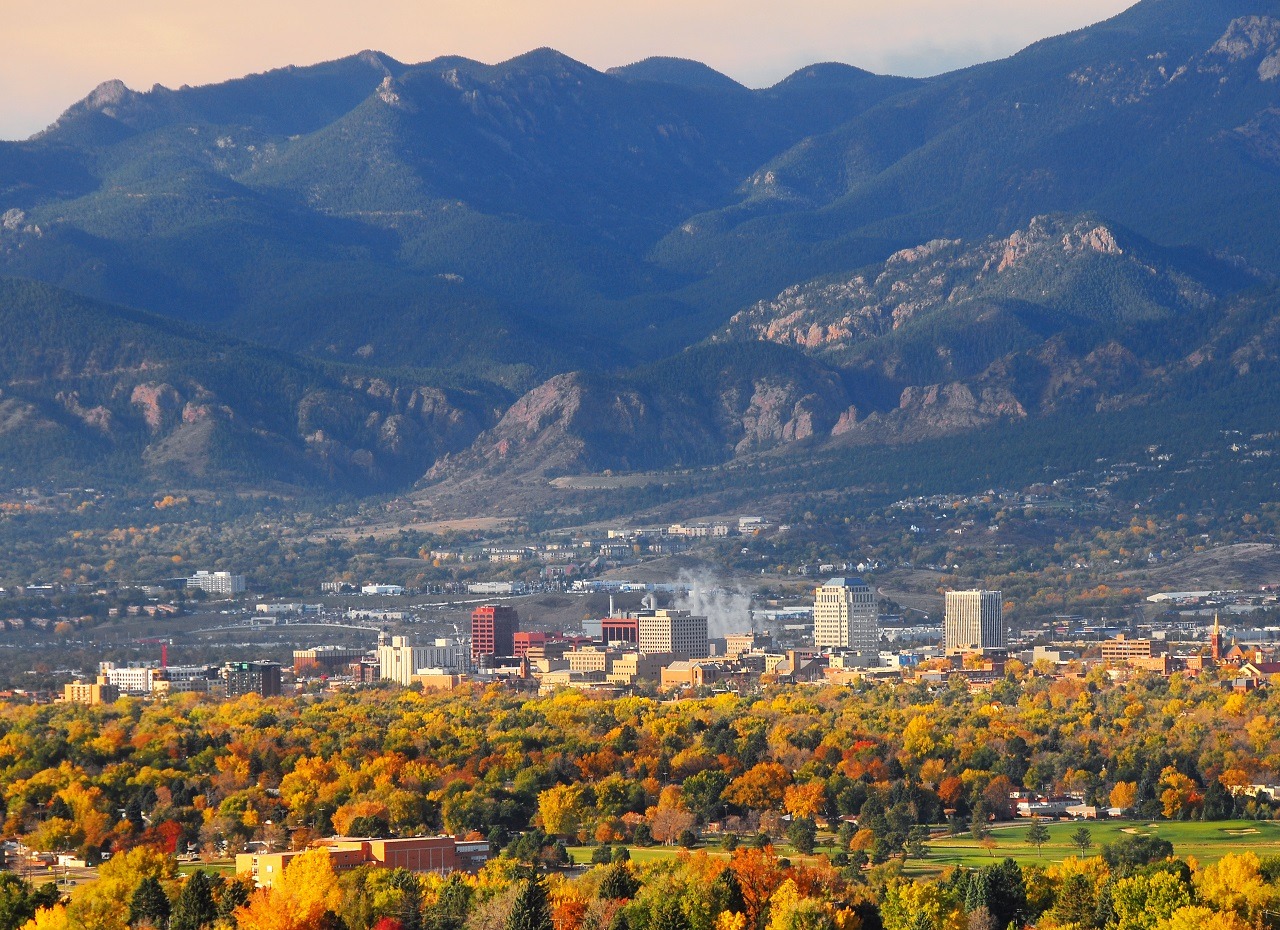
Lafayette sits in Boulder County along US 287, positioned between Louisville and Erie in one of the tighter submarkets on the Front Range. Sellers here typically hold retail centers near South Boulder Road and US 287, flex and light industrial buildings in the older commercial pockets near the historic downtown, or multifamily close to Waneka Lake.
Boulder County's growth limits shape all three categories in ways that a generic metro-wide assumption does not capture.
Boulder County Growth Boundaries Keep Land Scarce
Lafayette, like its Boulder County neighbors, operates under growth management policies that limit new supply, which keeps existing retail and multifamily product tightly held and slow to turn over. That scarcity pushes pricing up relative to Weld or Adams County comparables, but it also means fewer available replacement candidates inside the city itself at any given time.
A Lafayette seller running a tight 45-day identification window often needs to look at Louisville, Erie, or Broomfield candidates from the first day of the search rather than treating a wider net as a fallback plan.
The Tech And Life Sciences Corridor Along US 287
The stretch of US 287 running through Lafayette and into Louisville has drawn office, flex, and light industrial tenants tied to the broader Boulder tech and life sciences economy, a spillover effect from companies that cannot find or afford space closer to downtown Boulder. That tenant base behaves differently than the neighborhood retail centers along South Boulder Road, with longer lease terms and more specialized buildout.
Sellers trading out of flex space here should identify replacement candidates within that same tenant ecosystem rather than assuming any light industrial building fills the role.
Sequencing The Boulder County Closing Timeline
Boulder County recording can take longer during high-volume periods than smaller counties nearby, which matters because the 45-day identification clock starts on the relinquished property's closing date regardless of how quickly paperwork clears. A qualified intermediary agreement, a lender contact for the likely replacement category, and a short list of pre-reviewed candidates should exist before that closing.
Given how thin some Lafayette submarkets run, backup candidates deserve real attention. The three-property or 200% identification rules only help if a second and third option were already walked, not invented once the primary candidate falls through.
Where Lafayette Proceeds Typically Go
- Staying local in retail near South Boulder Road to keep existing tenant relationships
- Trading into flex or light industrial space along the US 287 tech corridor toward Louisville
- Moving into Erie or Broomfield for newer multifamily construction with more available supply
- Placing proceeds into a DST or net-lease sponsor program to step outside the tight local market entirely
- Comparing a Louisville acquisition against local Lafayette options before finalizing an identification list
Keeping The File Ready Across A Multi-County Search
Louisville, Erie, Broomfield, and Boulder all come up as comparison markets for Lafayette exchanges, since a Lafayette search frequently spans multiple counties given how limited local inventory can be. Each neighboring market offers a different financing profile or a different available supply picture.
The completed file should carry identification notices, qualified intermediary correspondence, settlement statements, lender documentation, and notes on why each backup candidate stayed in play, particularly when the search crossed county lines. That record is what makes Form 8824 preparation straightforward rather than a scramble to reconstruct which county each parcel sat in.
Common 1031 Exchange Questions
Does a Lafayette seller have to replace with another Lafayette property
No. Like-kind treatment covers real property held for investment anywhere in the United States. Many Lafayette sellers compare a local option against Louisville, Erie, or Broomfield property, or against a DST alternative, before naming a final replacement.
Why is Lafayette inventory so limited for a replacement search
Boulder County growth management policies limit new supply, which keeps existing retail and multifamily tightly held. Many Lafayette sellers widen their search to Louisville, Erie, or Broomfield from the start rather than treating that as a fallback.
How does the US 287 tech corridor affect flex property replacement
Flex and light industrial space along US 287 draws tenants tied to the Boulder tech and life sciences economy, with longer leases and more specialized buildout than a typical light industrial building elsewhere.
What should be ready before a Lafayette relinquished property closes
A qualified intermediary agreement, a lender contact for the likely replacement category, and a short list of candidate properties already reviewed, in place before the closing date starts the 45-day identification clock.
Is tax advice included in this Lafayette exchange coordination
No. This covers market context, timing, and documentation coordination. Tax, legal, and financing decisions should go through the seller's CPA, attorney, and lender, with the coordination work organizing the facts those advisors need.