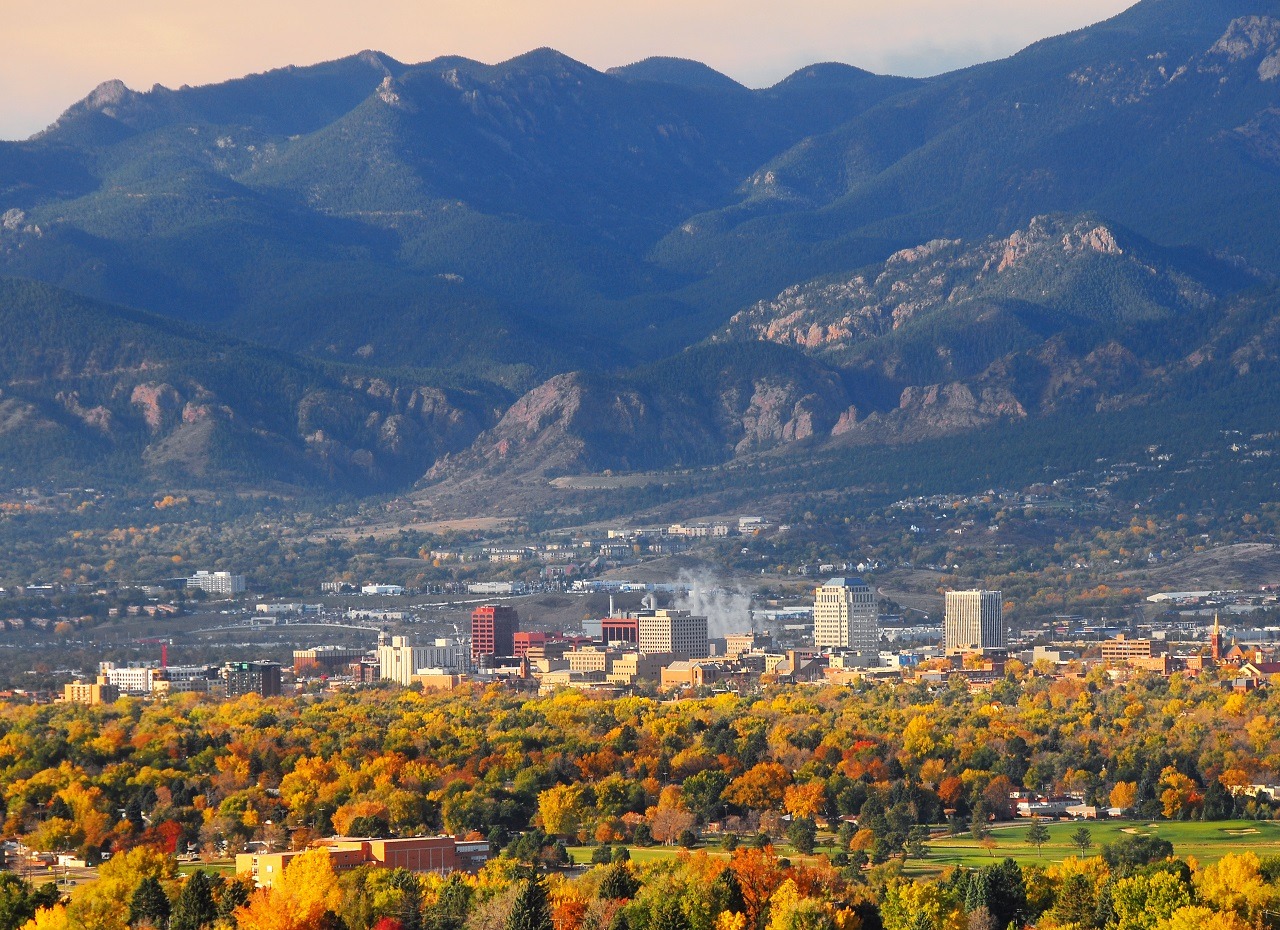
An Erie exchange runs on the same 45-day identification clock as any other Colorado sale, but the replacement list should reflect a town that has grown faster than its neighbors over the past decade, which changes both what trades and how quickly it moves.
A Coal Town Rebuilt Around Rapid Growth
Erie sits on the Boulder-Weld county line, and its old town core, built during the region's coal-mining era, now sits alongside some of the fastest residential growth in the Denver-Boulder metro. That growth has pulled commercial development along with it, and sellers here are typically holding neighborhood retail near newer subdivisions like Vista Ridge, small mixed-use buildings in Old Town Erie, or light industrial and flex space serving the town's expanding population.
Because so much of Erie's commercial base is recent, comparable sales and lease data can be thinner than in an established submarket, and a replacement search should account for that limited transaction history rather than assuming pricing behaves like a mature Boulder or Denver corridor.
Sitting Between Boulder's Tech Corridor And Weld's Energy Economy
Erie's position gives it exposure to two different economic drivers at once: the technology and professional services demand spreading north from Boulder along US 287, and the oil and gas service economy that has long operated in Weld County. Retail and flex space near the Boulder side of town tends to draw from the first group, while industrial and yard space closer to the Weld County line serves the second.
An identification letter for an Erie exchange should note which side of that split a candidate property falls on, since tenant demand, lease structure, and vacancy risk differ between the two even within the same town limits.
Where Erie Exchange Proceeds Typically Go
Sellers exiting property in Erie tend to weigh staying in the local growth corridor against moving into a more established Boulder or Broomfield submarket, or stepping into a passive structure to reduce active management.
- Staying in neighborhood retail near Vista Ridge or other newer Erie subdivisions
- Trading into flex or light industrial space closer to the Weld County energy service corridor
- Moving toward Broomfield or Longmont for deeper comparable sales history
- Placing capital into a DST or NNN sponsor program to remove active oversight
- Comparing a Boulder acquisition against local Erie options for sellers wanting closer proximity to the tech corridor
Sequencing The File Around A Fast-Moving Market
Because Erie's population and commercial base are still expanding quickly, new construction can come to market mid-search, and a candidate property that looked unavailable at the start of the 45-day window can sometimes open up before it closes. That means the identification list should stay under active review rather than being finalized and set aside.
A qualified intermediary agreement, a lender contact for the likely replacement category, and a short list of already-reviewed candidates should be in place before the relinquished property closes, with backup candidates given real weight given how quickly available inventory can shift.
Closing The File Without Losing The Thread
Broomfield, Boulder, Longmont, and Lafayette all come up as comparison markets in an Erie exchange, not because they sit close on a map, but because each offers deeper transaction history, a different tenant base, or pricing evidence the file can use. A seller weighing a Broomfield flex building against an Erie retail property needs both files in front of the same advisor team.
After closing, the record should hold together for a CPA preparing Form 8824: identification evidence, qualified intermediary correspondence, settlement statements, lender documentation, and notes on why each backup property was kept in play.
Common 1031 Exchange Questions
Does an Erie seller have to replace with another Erie property?
No. Like-kind treatment covers real property held for investment anywhere in the United States. Many Erie sellers compare a local replacement against Broomfield, Boulder, or Longmont options, or against a DST alternative, before deciding where proceeds should land.
Why is comparable data thinner in Erie than in an established submarket?
Much of Erie's commercial base was built recently, so there is less transaction and lease history to draw on. A replacement search should account for that limited data rather than assuming pricing behaves like a mature corridor.
How does Erie's position between Boulder and Weld County affect property choices?
Retail and flex space closer to the Boulder side draws technology and professional-services tenant demand, while industrial and yard space closer to the Weld County line serves the energy service economy. Those are different tenant profiles worth documenting separately.
What should be ready before an Erie relinquished property closes?
A qualified intermediary agreement, a lender contact for the likely replacement category, and a short list of candidate properties that have already had a first look, with backup candidates reviewed carefully given how quickly new inventory can appear.
Is tax advice included in this Erie exchange coordination?
No. The coordination covers market context, timing, and documentation coordination. Tax, legal, and financing decisions should go through the seller's CPA, attorney, and lender, with the coordination work organizing the facts those advisors need.