An Arvada seller starting a 1031 exchange is really starting a countdown. The clock on the 45-day identification window opens the day the relinquished property closes, and what fills that list should match what Arvada's west-metro submarket actually offers.
Arvada Sits Between Olde Town And The Foothills
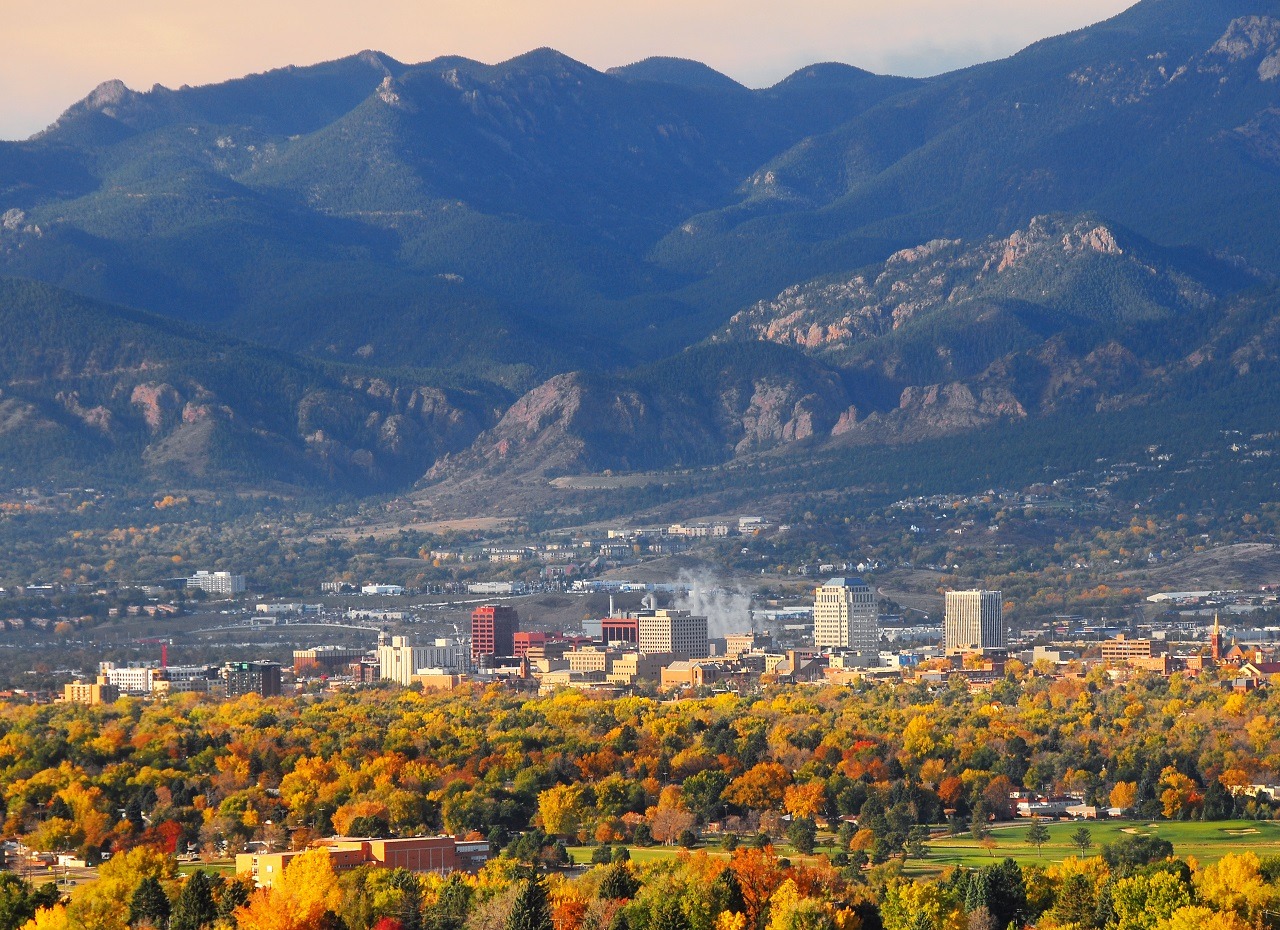
Arvada spans parts of Jefferson and Adams counties on the northwest edge of the Denver metro, stretching from the historic Olde Town core out toward Standley Lake and newer construction near Candelas closer to the foothills. Sellers here are typically holding small multifamily along Wadsworth Boulevard, neighborhood retail near Ralston Road, or light industrial and flex buildings tucked along the I-76 corridor.
None of that inventory prices like downtown Denver product. Leases run shorter, tenant rosters lean toward local service businesses and contractors, and cap rates track suburban comparables rather than urban core benchmarks. A replacement plan built on a generic Front Range template will miss what actually distinguishes an Arvada asset from one in Golden or Lakewood.
What The G Line Changed And What It Did Not
The commuter rail connection into Union Station shifted renter demand near Olde Town in ways that did not exist a decade ago, pulling younger tenants toward walkable multifamily close to the station. That demand shift does not reach the older commuter-corridor apartments further west, or the industrial pockets off Highway 72, where tenant profiles and lease structures still look the way they did before the line opened.
An identification letter written for an Arvada exchange should say which category a candidate property belongs to. A rail-adjacent multifamily asset and a west-side flex building carry different vacancy risk, different financing assumptions, and different exit timelines, even though both sit inside the same city limits.
Sequencing The Exchange So Nothing Slips
The practical work starts before the sale closes: qualified intermediary paperwork in place, lender contacts identified for likely replacement categories, and a short list of candidate properties already reviewed enough to name inside 45 days. Waiting until after closing to start that work compresses a tight schedule into an impossible one.
Backup candidates matter here as much as the primary target. A loan that stalls, a title issue that surfaces late, or a seller who gets cold feet can all knock a primary candidate out of contention, and the three-property or 200% identification rules only help if a second and third option were already vetted rather than invented under pressure.
Where Arvada Sellers Look For Replacement Property
Most Arvada exchanges end up choosing between staying local, moving to an adjacent submarket, or stepping into a passive structure entirely. The right mix depends on how much management the seller still wants to do and how much of the proceeds need to keep working immediately.
- Staying in west-metro multifamily near the rail corridor to keep renter demand and local oversight
- Trading into light industrial or flex space along the I-76 and Highway 72 corridors
- Moving proceeds into a self storage facility with lower day-to-day management
- Placing capital into a DST or NNN sponsor program to remove active oversight
- Comparing a Golden or Lakewood acquisition against local Arvada options before naming a primary target
Closing The File Without Losing The Thread
Westminster, Golden, Lakewood, Denver, and Broomfield all come up as comparison markets, not because they are close on a map, but because each offers a realistic backup path, a different financing profile, or pricing evidence the Arvada file can use. A seller weighing a Golden industrial building against an Arvada flex property needs both files in front of the same advisor team.
After closing, the record should still make sense to someone who was not on the first call: identification evidence, qualified intermediary correspondence, settlement statements, lender documentation, and the notes that explain why each backup property was kept in play. That index is what makes Form 8824 preparation straightforward instead of a scramble.
Common 1031 Exchange Questions
Does an Arvada seller have to replace with another Arvada property?
No. Like-kind treatment covers real property held for investment anywhere in the United States. Many Arvada sellers compare a local replacement against Golden, Lakewood, or Denver options, or against a DST and net-lease alternative, before deciding where proceeds should land.
How does the G Line affect replacement property choices near Arvada?
Multifamily close to the rail connection into Union Station has drawn renter demand that the older, car-dependent corridors further west have not seen. That distinction matters for underwriting and should be documented separately rather than treated as one uniform Arvada submarket.
What should be ready before an Arvada relinquished property closes?
A qualified intermediary agreement, a lender contact for the likely replacement category, and a short list of candidate properties that have already had a first look. Starting that work after closing leaves too little runway inside the 45-day identification period.
Why compare Arvada with Golden or Lakewood instead of just staying local?
Those markets can offer different pricing, different tenant demand, or a backup property that closes faster if the primary candidate falls through. The comparison should be based on whether the property actually helps the exchange, not on how close it sits to Arvada.
Is tax advice included in this Arvada exchange coordination?
No. This page covers market context, timing, and documentation coordination. Tax, legal, and financing decisions should go through the seller's CPA, attorney, and lender, with the coordination work organizing the facts those advisors need.