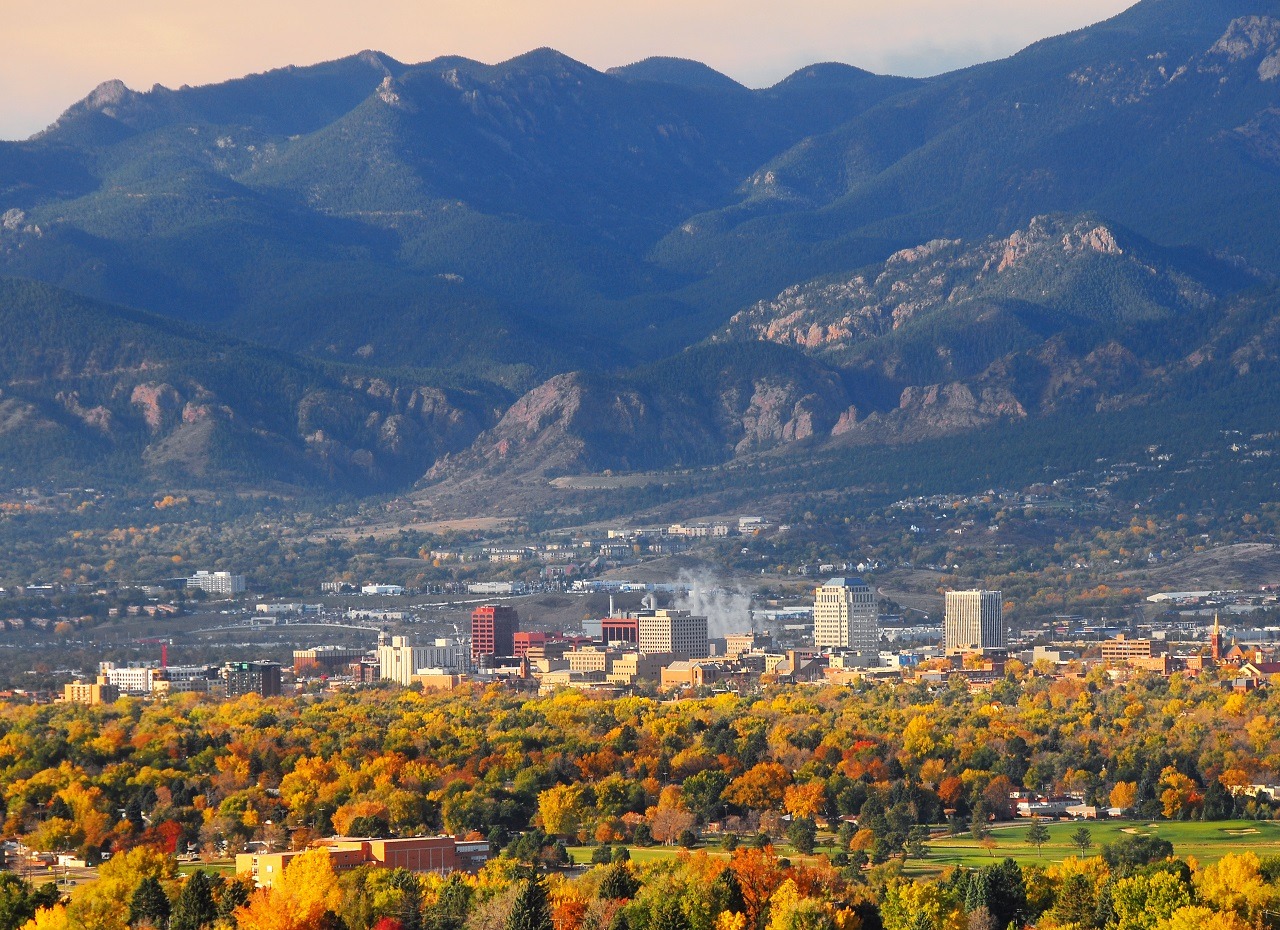
Telluride occupies a dead-end box canyon in San Miguel County, hemmed in by cliff walls on three sides, with Mountain Village reachable by a free gondola on the fourth. That geography set a hard limit on how much commercial and lodging square footage the town could ever hold, so a Telluride seller is planning a 1031 exchange around genuine physical scarcity, not just a competitive market.
A National Historic Landmark District Limits What Can Be Built Or Changed
Most of downtown Telluride sits inside a National Historic Landmark District, which constrains exterior alterations, new construction, and redevelopment on buildings along Colorado Avenue and the surrounding blocks. Owners here are typically holding historic mixed-use commercial buildings, lodging property, or condo-hotel units tied to festival and ski-season traffic. The landmark designation is part of why inventory turns over so slowly and why a seller cannot count on a comparable local listing appearing inside a 45-day window.
Mountain Village Is A Separate Town With Separate Underwriting
Mountain Village, connected to Telluride by gondola, incorporated as its own municipality with newer condo-hotel and resort-commercial construction that a lender will treat differently than a historic downtown Telluride building. Occupancy patterns, HOA structures, and rental-management agreements in Mountain Village often track base-area resort income rather than the more mixed local-and-tourist trade seen on Colorado Avenue. A candidate property in one town should not be assumed to substitute for the other without its own review.
Why Telluride Files Lean Heavily On National Replacement Property
Between the canyon's physical limits, the historic district's construction constraints, and long-held ownership patterns, investment-grade Telluride and Mountain Village listings are rare in any given year. Most exchanges here plan for that from the start rather than treating national sourcing as a fallback.
- A historic downtown building or Mountain Village condo-hotel unit, when one is actually available
- A Durango or Grand Junction comparison property for a seller wanting to stay in western Colorado
- Front Range multifamily or net-lease retail for proceeds a seller wants free of festival-season concentration
- DST or NNN sponsor placements selected specifically because local inventory could not fill the identification list
- A passive multifamily or industrial position taken to preserve exchange eligibility when nothing local qualifies in time
Sequencing An Exchange Around Festival And Ski-Season Traffic
Telluride's calendar runs on more than ski season, with the film festival, bluegrass festival, and other summer events driving lodging demand at specific weeks each year. A qualified intermediary and lender should be lined up before the relinquished property closes, since regional flight access through the Telluride and Montrose airports can also affect how quickly buyers, appraisers, and inspectors reach the property.
The single paved route in and out, along Highway 145 through the box canyon, can also add scheduling risk during winter storms or spring runoff closures, so appraisal and inspection windows on a downtown or Mountain Village candidate should build in extra margin rather than assume a same-week turnaround the way a Front Range property would allow.
At closing, the file should document which candidates were historic-district assets subject to landmark review, which were Mountain Village resort product, and what national backup was named, so the seller's CPA has a complete record for Form 8824.
Common 1031 Exchange Questions
Why is replacement property so scarce inside Telluride town limits
The box-canyon geography leaves almost no room for new commercial construction, and the National Historic Landmark District further limits changes to existing downtown buildings. That combination means investment-grade listings appear infrequently, which is why many exchanges plan for national sourcing from the start.
Is a Mountain Village property the same as a Telluride property for exchange purposes
They qualify as like-kind real property either way, but Mountain Village is a separate incorporated town with newer construction and different rental-management structures than downtown Telluride. A candidate in one should be underwritten on its own terms.
Do Telluride sellers have to replace with another mountain-town property
No. Like-kind treatment covers real property held for investment or business use anywhere in the country. Many Telluride sellers compare a rare local candidate against Durango, Grand Junction, or Front Range options, or against a DST placement.
How does the historic district affect underwriting on a downtown Telluride building
Landmark review can limit or slow exterior changes and renovation plans, which a lender may factor into financing terms. That review timeline should be understood before a downtown candidate becomes the primary identification.
Is tax advice included in this Telluride exchange coordination
No. This covers market context, historic-district and seasonal timing, and documentation coordination. Tax treatment and any boot calculation should be confirmed with the seller's CPA and lender before a replacement property is finalized.