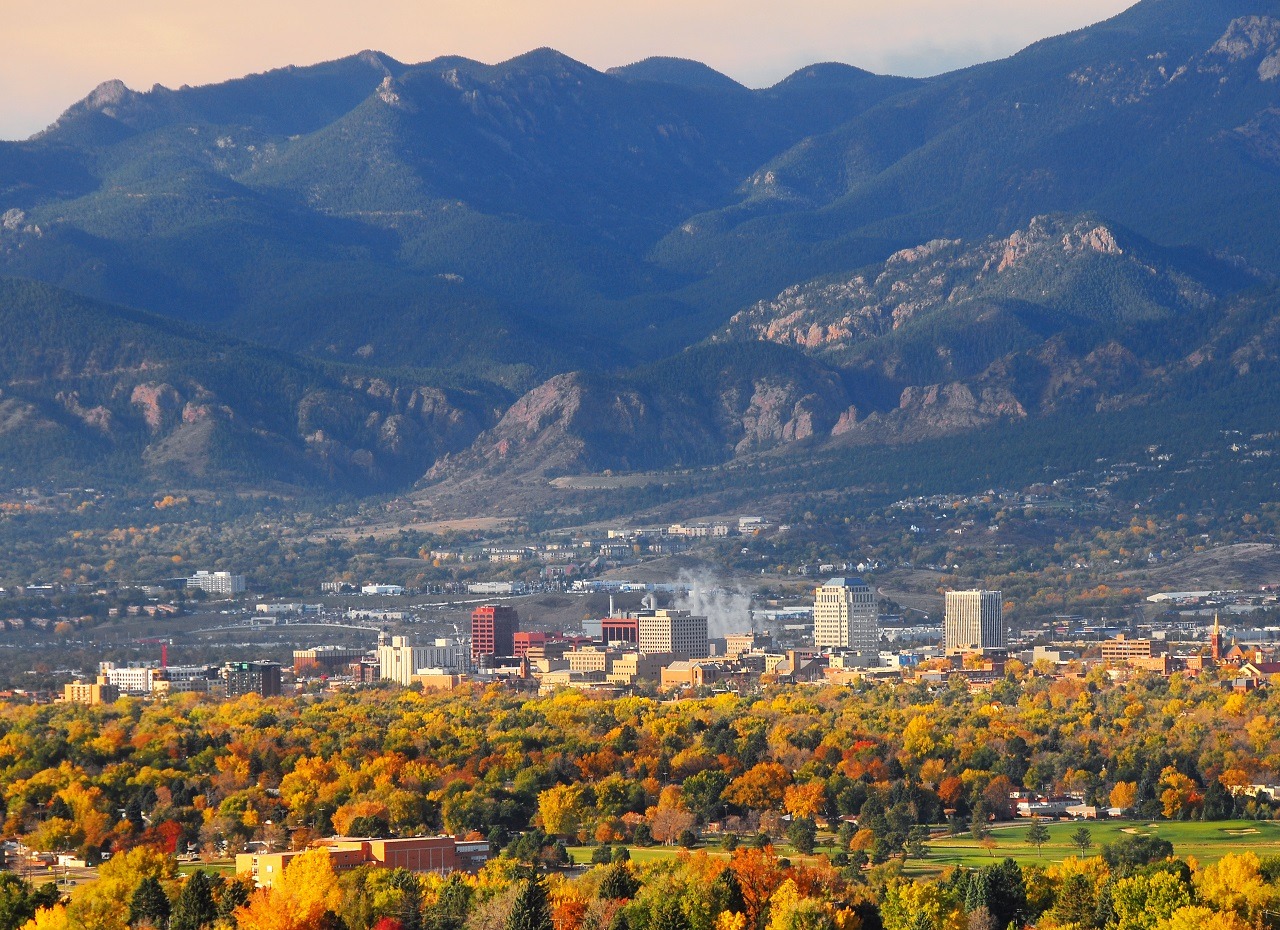
Sterling is the commercial center of Logan County and the northeastern Colorado plains, a farm and ranch economy anchored along the South Platte River and the I-76 corridor connecting Denver to the Nebraska line. Sellers here are more often trading irrigated cropland, a grain elevator or ag-service building, or a small commercial parcel along Highway 6 than a metro-style office or apartment building, and the replacement search should reflect that from the start.
An Agricultural Economy With A Small Commercial Core
Sterling's downtown core along Main Street and the commercial strip near the I-76 interchange serve the surrounding farm and ranch population rather than a metro consumer base, so retail and service buildings here trade on a much smaller scale than in Front Range cities. The bigger commercial value in this market often sits outside town limits entirely: irrigated cropland along the South Platte, feedlots, grain storage, and ag-equipment dealerships tied to the region's corn, wheat, and cattle economy.
A seller exiting a feedlot or grain facility needs a replacement search built around that same category, since a downtown Sterling retail comparable will not reflect the same income structure or buyer pool.
Oil And Gas Activity Adds A Layer To Some Parcels
Logan County sits within the DJ Basin's northern reach, and some parcels here carry oil and gas leases, mineral rights, or surface-use agreements separate from the surface real estate. Those interests need to be sorted out before a property enters an identification list, since a mineral lease can affect both the sale price and what a buyer's lender will underwrite. Real property held for investment or business use qualifies for like-kind treatment regardless of whether it carries a lease, but the diligence timeline runs longer when mineral rights are part of the picture.
Where Sterling Sellers Look For Replacement Property
Because Sterling's own inventory is thin and specialized, most exchanges here run a search across the broader plains and Front Range from the outset.
- Irrigated cropland or grazing land elsewhere in Logan, Morgan, or Washington counties
- Ag-service buildings, grain storage, or equipment dealership real estate along the I-76 corridor
- Greeley or Fort Collins commercial and multifamily product for a seller wanting deeper Front Range inventory
- Self storage or light-industrial property serving the regional ag economy
- A DST or net-lease placement for a seller ready to step away from farm and ranch management entirely
Sequencing The File Around Mineral Rights And Harvest Timing
The practical work should start before the relinquished property closes: a qualified intermediary engaged, a lender contacted about financing for whichever replacement category is most likely, and any mineral rights or surface-use agreements reviewed early rather than during the final days of the 45-day window. Harvest and crop-share timing can also affect when a farm property realistically closes, and that calendar should be built into the identification and closing schedule from the start.
At closing, the file should document how mineral interests were handled, what backup candidate was named, and the income history for any ag-service or feedlot property, so the seller's CPA has a complete record for Form 8824.
Common 1031 Exchange Questions
Can Logan County farmland be exchanged for a different type of investment property
Yes. Like-kind treatment covers real property held for investment or business use, so irrigated cropland can exchange into a commercial building, self storage facility, or another farm elsewhere, as long as the replacement property is also held for investment or business purposes.
How do oil and gas leases affect a Sterling property in a 1031 exchange
Mineral rights and surface-use agreements need to be reviewed separately from the real estate transaction, since they can affect both pricing and lender underwriting. That review should start well before the 45-day identification deadline given how long lease and title research can take.
Why do most Sterling exchanges also search Greeley or Fort Collins
Sterling's own commercial inventory is small and specialized around agriculture, so a seller who wants deeper multifamily, retail, or industrial options typically searches the larger Front Range markets in parallel with any local candidates.
Does harvest timing affect when a Sterling farm sale can close
It can. Crop-share arrangements and harvest schedules affect both the relinquished sale and any farm replacement property, so the closing calendar should account for that timing rather than assuming a standard commercial closing pace.
Is tax advice on mineral rights included in this Sterling exchange coordination
No. Mineral rights valuation and any related tax treatment should be reviewed with the seller's CPA and, where a lease is involved, an oil and gas attorney. This coordination covers exchange timing, sourcing, and documentation.