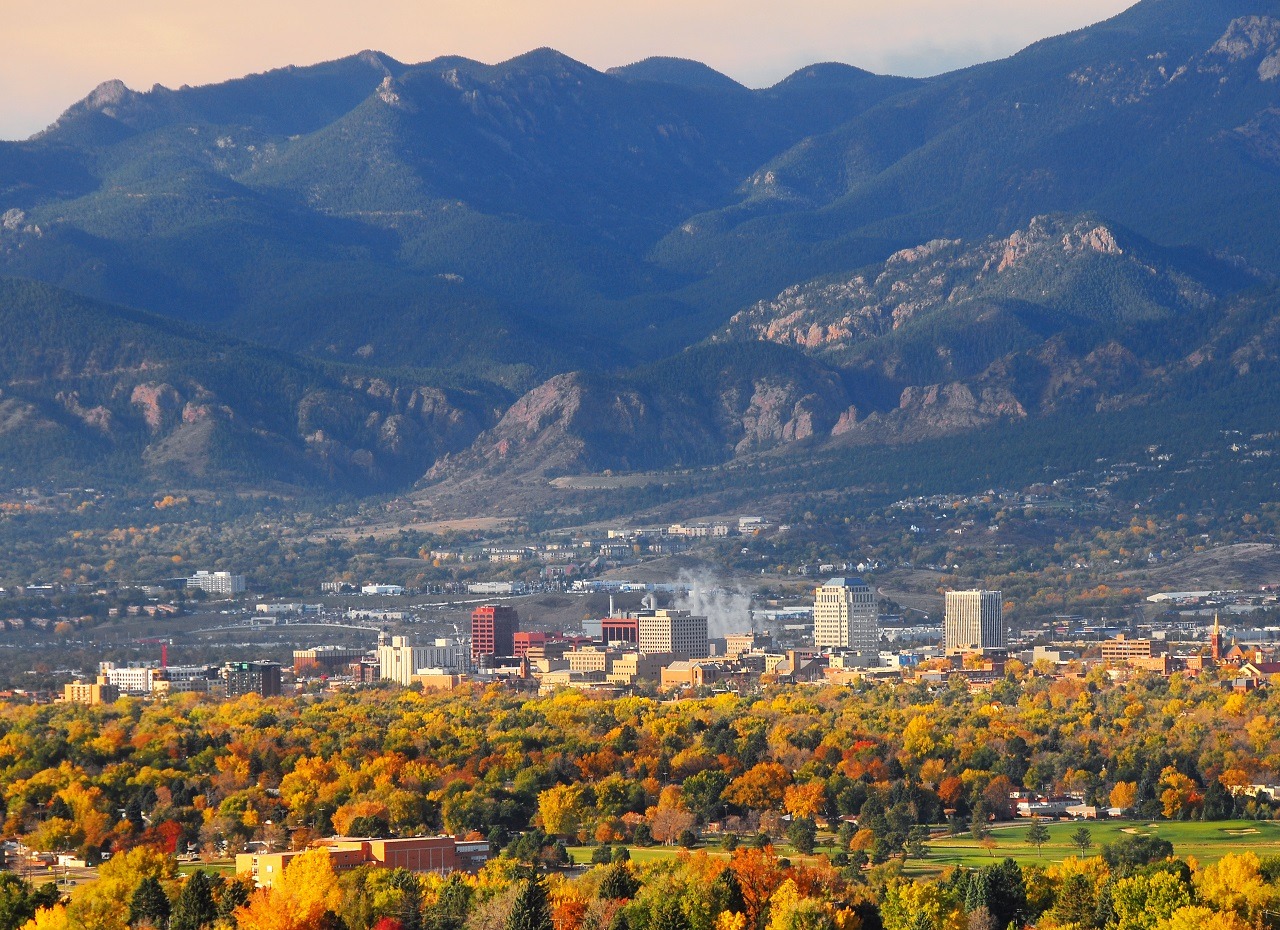
Rifle sits along the Colorado River and I-70 in Garfield County, roughly forty-five miles downvalley from Glenwood Springs and Aspen, and its commercial property base still reflects decades tied to natural gas development in the Piceance Basin alongside a steadier layer of ranching and highway-corridor commerce. A Rifle seller starting a 1031 exchange is often exiting an energy-service yard, a light industrial building, or a highway-frontage retail or hospitality property built to serve I-70 traffic.
The 45-day identification window opens the day the relinquished property closes, and a Rifle replacement list needs to account for how tightly this market tracks energy-sector cycles compared to the resort towns further east. Buyers who assume Rifle behaves like a smaller version of Glenwood Springs will misjudge both the pricing and the risk profile of what actually trades here.
Downvalley From The Resort Corridor, Not Part Of It
Rifle trades on fundamentals closer to Grand Junction than to Glenwood Springs or Vail, even though I-70 connects all of them. Land and building costs run well below the upper valley, industrial and lay-down yard space remains available in ways it has not for years closer to Glenwood, and the tenant base leans toward energy services, trucking, and equipment rental rather than tourism and second-home retail.
A seller comparing a Rifle exchange to a Glenwood Springs or Aspen replacement should expect a materially different price basis and a different risk profile tied to gas prices and drilling activity rather than visitor counts. Rifle's airport and its role as a regional trucking stop also support demand that has little to do with tourism at all.
Energy-Sector Cycles And Underwriting
Vacancy and lease rates for Rifle industrial and yard space have historically moved with natural gas drilling activity in the Piceance Basin, which means a rent roll from a high-activity year can overstate what a property produces in a slower stretch. Lenders familiar with the Western Slope energy cycle tend to underwrite more conservatively here than a lender used to a stable metro submarket, and that should be factored into the replacement property search rather than discovered during a loan application. Reviewing rig counts and permit filings from the last several years gives a more realistic picture than the current rent roll alone.
Where Rifle Sellers Look For Replacement Property
Sellers exiting Rifle property weigh a mix of local and upvalley options.
- Staying local in industrial or yard space serving the ongoing energy and highway-service economy
- Trading up toward Glenwood Springs for a more diversified, tourism-supported tenant base
- Moving west toward Grand Junction for deeper retail and industrial inventory with more comparable sales history
- Placing proceeds into a DST or net-lease structure to remove exposure to a single-industry local economy
Garfield County Documentation Realities
Rifle closings sometimes involve mineral rights severed from the surface estate, a distinction that needs to be documented clearly since mineral interests and surface real property are not automatically treated the same way in an exchange analysis. Water rights tied to irrigated ground nearby raise similar issues. Keeping those documents separated in the exchange file, alongside the standard qualified intermediary and settlement paperwork, avoids confusion when Form 8824 is prepared. A title company familiar with Garfield County's mineral history can flag these issues earlier than a national title provider unfamiliar with the area.
Common 1031 Exchange Questions
What kind of property do Rifle 1031 sellers usually hold
Commonly energy-service yards, light industrial buildings, and highway-frontage retail or hospitality property along I-70, reflecting Rifle's role as a Western Slope service hub rather than a resort town.
Does a Rifle seller have to replace with another Rifle property
No. Like-kind treatment covers real property held for investment anywhere in the United States. Rifle sellers often compare local industrial property against Glenwood Springs or Grand Junction options, or against a DST alternative.
How do energy-sector cycles affect a Rifle exchange
Industrial and yard space vacancy and lease rates have historically tracked Piceance Basin drilling activity, so a rent roll from a high-activity period may not represent typical performance. Lenders often underwrite conservatively for that reason.
Do mineral rights complicate a Rifle property exchange
When mineral rights are severed from the surface estate, they need to be documented and analyzed separately from the real property being exchanged, since they are not automatically treated the same way under like-kind rules.
Is tax advice included in this Rifle exchange coordination
No. This coordination service covers market context, timing, and documentation. Tax, legal, and financing decisions go through the seller's CPA, attorney, and lender.